
Bats: Heroes of the Night
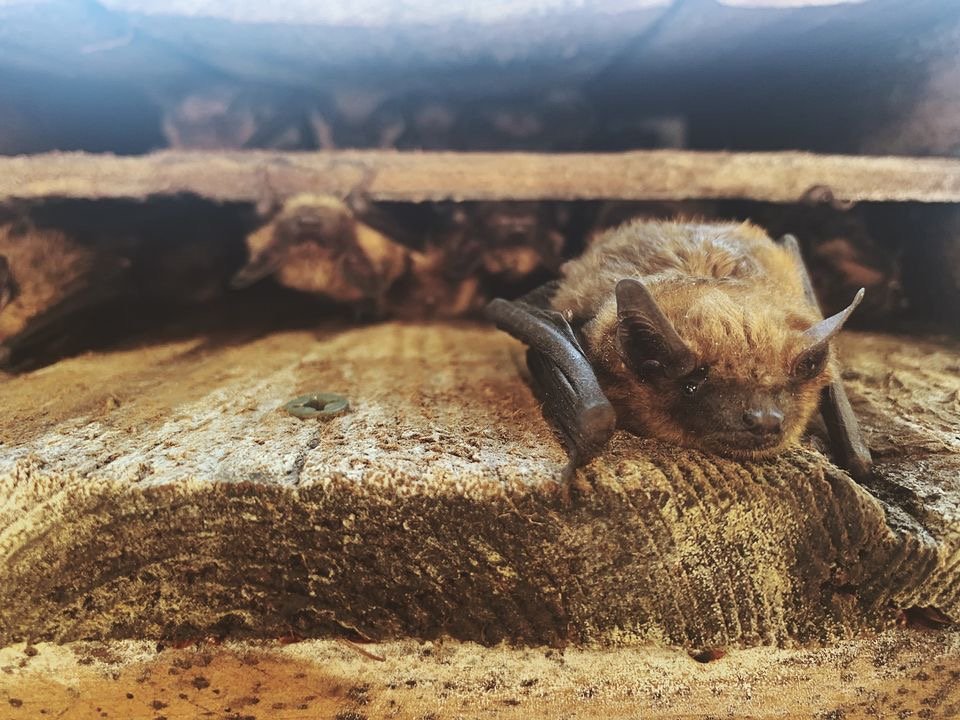
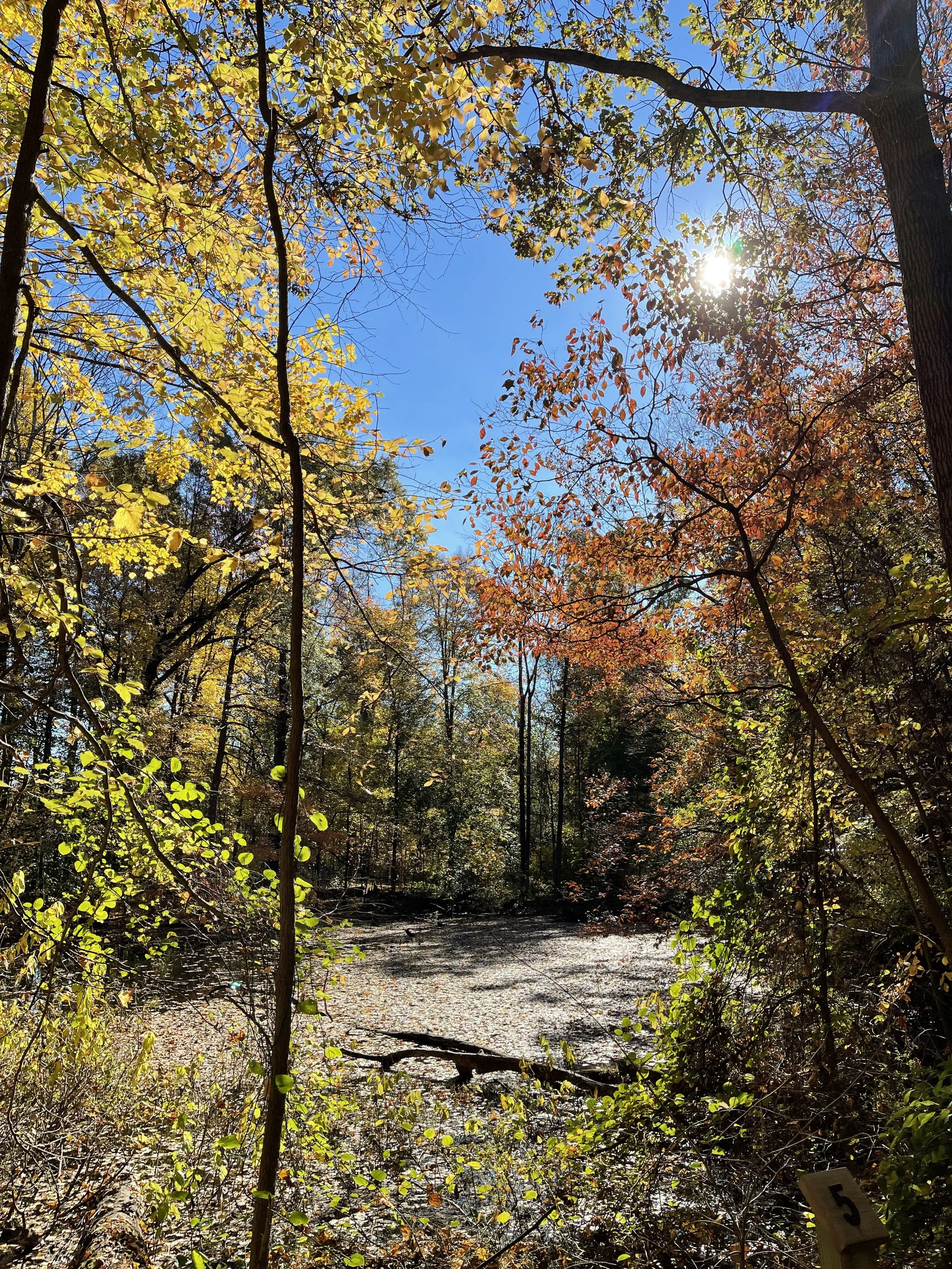
Bats roost in trees, under flaky bark and in cavities. The endangered Indiana bat is above..
The bats among us
Madison’s forests are excellent bat territory. We’re lucky to have six year-round bat species and three part-time bat species.
These full-time species either federally endangered or threatened species:
the federally endangered Indiana bat
the federally endangered northern long-eared bat
the federally endangered little brown bat
the federally endangered tricolored bat
the federally endangered eastern small-footed bat
the big brown bat, a species of special concern
These part-time species are also threatened:
the northern hoary bat, a species of special concern
the eastern red bat, a species of special concern
the silver-haired bat, a species of special concern
The presence of endangered bats limits the potential for development, but, alas, only during nesting season.
Roosting habits
Bats are nocturnal mammals that roost in high tree branches, under flaky bark or in tree cavities. In suburban yards, they can make use of carefully positioned wooden bat houses.
In the winter, certain species like the eastern red bat (Lasiurus borealis), will nestle on the forest floor, while other species hibernate in caves or mines. Most New Jersey bat species stay local to hibernate. When warm weather returns, migrating bats will return to the same forested area for fresh insects and a safe environment for breeding.
Insect consumption
Bats are essential to our ecosystem because they pollinate plants, disperse seeds and control mosquitoes and unwanted insects. A single little brown bat can eat up to 3,000 mosquito-sized insects per night. Bats may be tiny, but these winged friends have a large impact on the larger environmental ecosystem.
Bats tend to concentrate in places with high insect abundance., which the biodiverse Drew Forest provides. A single little brown bat can eat up to 3,000 mosquito-sized insects per night! The insect pest control services of bats are valued at an estimated average of $22.9 billion annually in the United States.
Protecting bats means protecting trees
Protecting bats means protecting trees and that’s where all of us come in. Tree loss in Madison is skyrocketing due to increased storms and an also an increased fear of large trees on the part of home owners. From 2001 to 2016, Madison lost 276 acres of tree canopy, which 1/3 the size of Loantaka Brook Reservation. In the same time period, impervious coverage increased by 480 acres or 2 times the size of Madison’s open space.
Suggested reading: “The Weird and Wonderful World of Bats,” by Alyson Brokaw, below, who recently came to Madison to speak about her book at a talk sponsored by The Nature of Reading Bookshop and the Madison Environmental Commission..
As part of our Amicus brief in the Drew-Madison litigation, we commissioned a bat study of the forest. While the habitat was considered suitable for all the bat species above, acoustical surveys of endangered bats were inconclusive.